

Coating only
New or near-new paint
1 day
- Wash, iron removal and clay
- Panel wipe so the coating bonds
- Ceramic coating, panel by panel
- Overnight cure, kept dry
The base option. About a day, plus an overnight cure.
Services
All servicesMobile Car DetailingInterior DetailingExterior DetailingPaint CorrectionCeramic CoatingAreas
Northeast Queens
North Shore
Central Nassau
More
PricingGet a quoteFAQAboutContactPaint correction
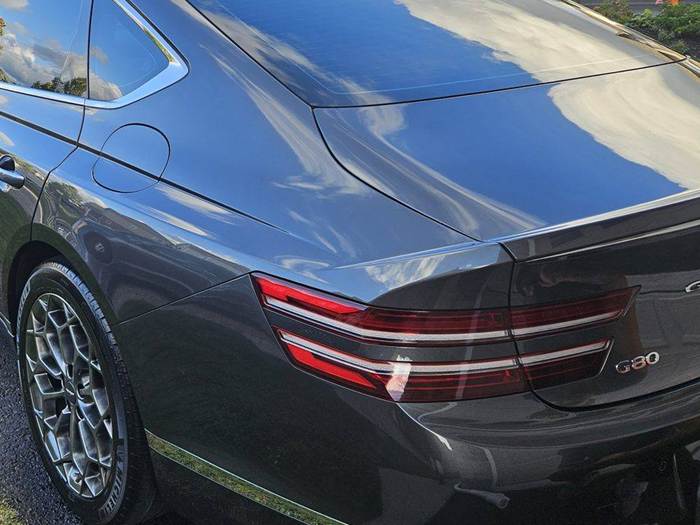
Paint correction is machine polishing that levels the clear coat until swirls, haze and light scratches are gone, not just hidden. It takes off a thin layer of clear coat to get there, so we check the paint, and measure it where it matters, before we give a firm price.
It starts from $475. Most cars take a day, sometimes two, at your home on Long Island, from Port Washington to Garden City, or in Queens. We work in a garage or a shaded spot.
Correction is a finished job on its own. It's also the step that comes before a ceramic coating, and the two can be done in one booking.
Correction + coating
Pick the option that fits your paint. We check it under strong light and price it after we see it, so you don’t pay for a step the car doesn’t need.
Every rung ends in a coating. How we apply a ceramic coating.
Paint correctionfrom $475Ceramic coatingfrom $1,100
Correction is exterior paint only. Showroom is a full detail with a single-stage polish.
New or near-new paint
1 day
The base option. About a day, plus an overnight cure.
Most daily drivers
1–2 days
Adds a machine polish. Usually about half a day more.
Dark, swirled or neglected paint
2 days
Adds a cutting step before the polish. About a day more.
Swirls are thousands of fine scratches in the clear coat, the see-through layer on top of the color. Light catches their edges, and that's what makes paint look webbed or hazy.
Correction polishes the clear coat down to the bottom of those marks. The surface is flat again, and light bounces straight back.
A glaze or a filler wax does something else. It fills the marks with oils so they vanish for a while. A few washes later the fill has rinsed out, and the swirls are back exactly where they were.
Clear coat doesn't grow back, so correction is a job to do with restraint. We take off only what the paint needs.
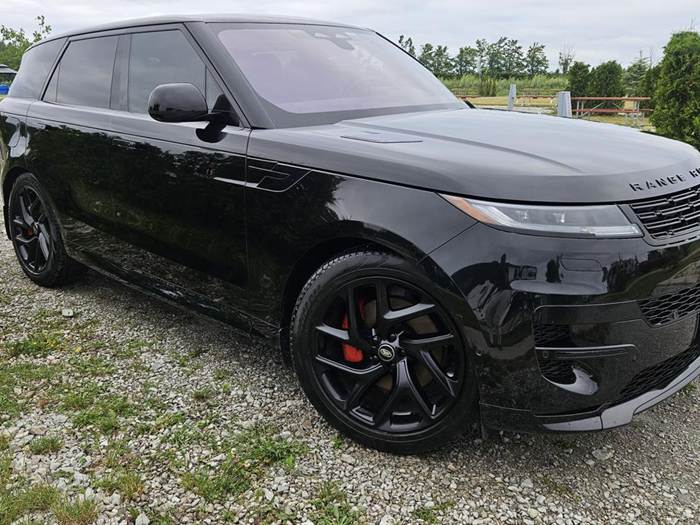
Almost every swirl starts with grit pushed across the paint. The usual culprits:
Polishing works inside the clear coat. Marks that sit within that layer can usually be leveled out. Anything that has gone through it can't.
Rock chips, scratches down to primer or bare metal, and clear coat that's peeling or going cloudy from underneath are body-shop work. We tell you which marks fall into that group before we start, not when we hand back the keys.
Older single-stage paint is different. It has no clear coat, and when it goes chalky a polish can often bring the color back.
Within the clear coat, a machine polish takes out:
One-step is a single machine polish, what most people mean by car polishing. It brings back gloss and removes light swirls and wash marring. For most daily drivers, lighter colors above all, it's the right amount.
Two-step starts with a cutting step, a firmer pad and a compound that reach deeper swirls and scratches. Cutting leaves a faint haze of its own, so a finishing polish follows to bring the clarity back. It suits dark, heavily swirled or neglected paint.
What you'll see. After one step, a heavily swirled car looks far better but still shows some marks under a bright light. After two, most of what was in the clear coat is gone, and a few deep scratches only fade.
The machine polish in our Showroom package is a different thing: one light polish for gloss, done inside a full detail at a set price. A correction is planned panel by panel.
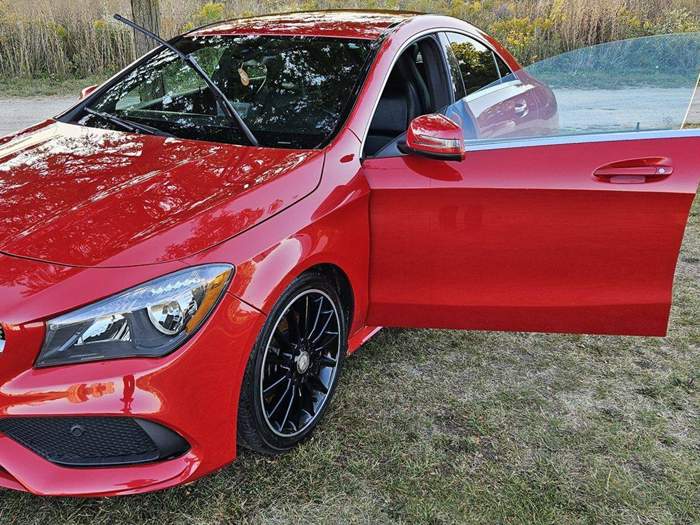
Before any cutting step, a depth gauge goes on each panel. Paint isn't the same thickness everywhere. Repaints and earlier polishing leave some panels thinner than others, so a panel that's been resprayed or cut hard before gets a lighter touch.
The mildest polish that works is the right one. A test spot on one panel shows which pad and polish that is, which keeps as much clear coat on the car as possible.
Three things move the price: how many panels, one step or two, and the car's size and color. Dark paint takes longer, because every pass has to finish clean under a hard light.
A single panel, like a hood that's taken years of sun, costs far less than the whole car. There's more on why correction is quoted rather than set. The firm number comes after the test spot, before any real polishing starts.
We come to you, so the car never leaves your street. At a house in Nassau County, the home's own garage with the door up is usually the best place to work.
We need shade at a minimum, and a garage is better. In direct sun it's hard to judge swirls from one panel to the next, and a hot panel dries the polish before it has done its work.
If the car lives outside, we need a dry day and the car out of the sun for the hours we're polishing. Tell us where it's parked when you ask for a quote, and we'll pick the day from the forecast with you.
We also need room to get all the way around the car with doors open. In a Queens building garage, we need a spot where no panel sits against a wall and the lighting lets us see swirls.
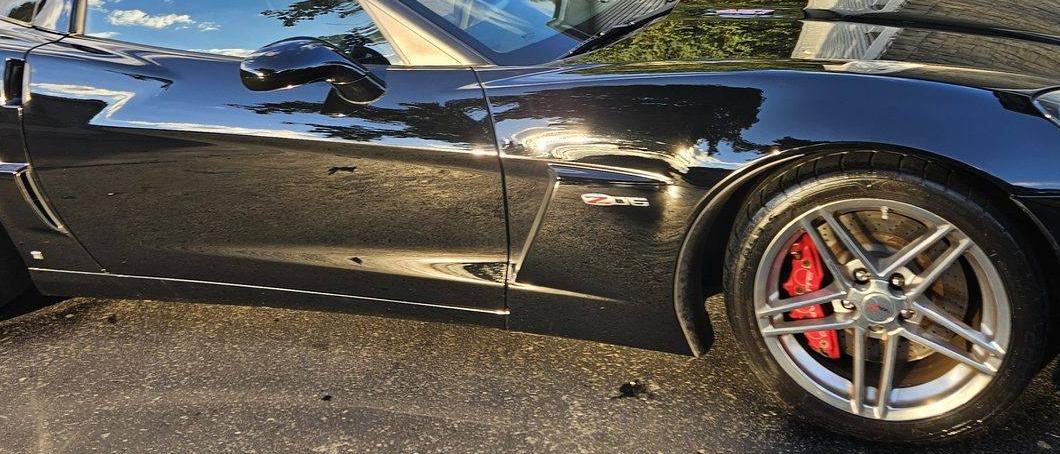
Polish after a coating and you polish the coating off. So when a car is being coated, correction comes first, and the coating goes on while the paint is at its cleanest.
Doing both in one booking saves a step. The paint is already washed, clayed and wiped bare after the polish, which is the prep a coating needs anyway.
If you only want the correction now, that's fine. A ceramic coating can go on later, after another wash and panel wipe.
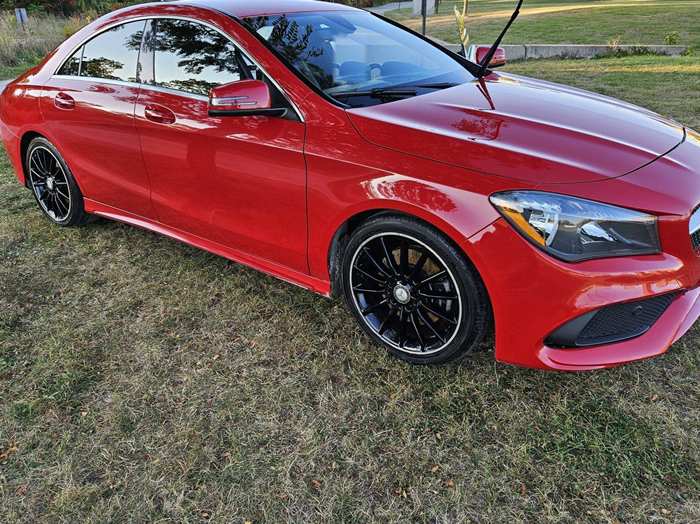
A correction holds as long as no new swirls go in, and that comes down to how the car is washed after we leave. The careful hand wash on our exterior detailing page is the one that keeps it that way.
Winter is the risk. Wiping salt film off a dry door or hood with a sleeve puts the swirls straight back. Rinse it off first, even in January.
Short of a coating, a spray sealant adds some protection for a few months. Those options are on the pricing page.
Get a quote
FAQ
Something else? Text us or call (516) 555-0142.
Yes, and it's quoted per panel. We polish a test spot first, then tell you whether the panels beside it will look duller once it's done.
The marks we remove don't come back on their own. Any new swirls come from washing after we leave. With a careful hand wash, the result holds for years. A ceramic coating or a spray sealant on top makes that easier.
Yes, a little. A one-step polish takes off a very thin layer, and a cutting step takes more. A car can take a light polish now and then over its life. It can't take a heavy cut again and again.
Often, yes. Mineral spots sitting on top come off in the wash or with a spot remover. Spots that have etched a ring into the clear coat need polishing, and most light etching levels out. Etching left to bake in for months may only fade.
Swirls only show when a hard point of light hits them. In shade the light is soft and spread out, so the scratches don't catch it. In direct sun, every fine scratch lights up in rings around the reflection.