

Coating only
New or near-new paint
1 day
- Wash, iron removal and clay
- Panel wipe so the coating bonds
- Ceramic coating, panel by panel
- Overnight cure, kept dry
The base option. About a day, plus an overnight cure.
Services
All servicesMobile Car DetailingInterior DetailingExterior DetailingPaint CorrectionCeramic CoatingAreas
Northeast Queens
North Shore
Central Nassau
More
PricingGet a quoteFAQAboutContactCeramic coating
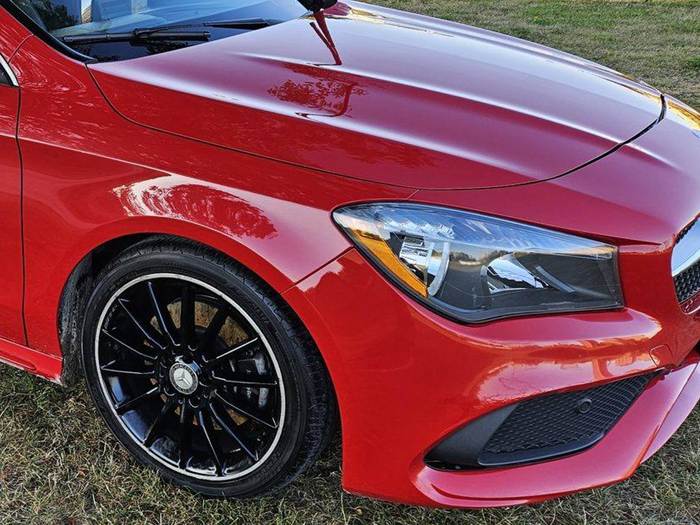
A ceramic coating locks in whatever is under it, the gloss and the swirls alike. So the work starts with prep, and the coating goes on last.
We're mobile. We coat cars at home on Long Island, across Nassau County, and in Queens, in your garage or on your driveway. Coating starts from $1,100. Plan on a day, or two if the paint needs polishing first.
Correction + coating
Pick the option that fits your paint. We check it under strong light and price it after we see it, so you don’t pay for a step the car doesn’t need.
Most coatings start with a polish. New paint may only need the prep. How we correct paint first.
Paint correctionfrom $475Ceramic coatingfrom $1,100
New or near-new paint
1 day
The base option. About a day, plus an overnight cure.
Most daily drivers
1–2 days
Adds a machine polish. Usually about half a day more.
Dark, swirled or neglected paint
2 days
Adds a cutting step before the polish. About a day more.
A coating is a liquid that bonds to the clear coat and hardens into a thin, slick layer. Once it has cured, the paint feels smooth and glassy under your hand. It keeps that feel wash after wash instead of fading like a wax.
The everyday difference shows up when you wash the car. Water beads and runs off instead of sitting flat. Road film and dust don't grip as hard, so a gentle wash lifts them with less rubbing, and less rubbing means fewer new swirls.
If the wheels are coated too, they shed brake dust more easily. And the gloss underneath stays sealed instead of slowly dulling between waxes.
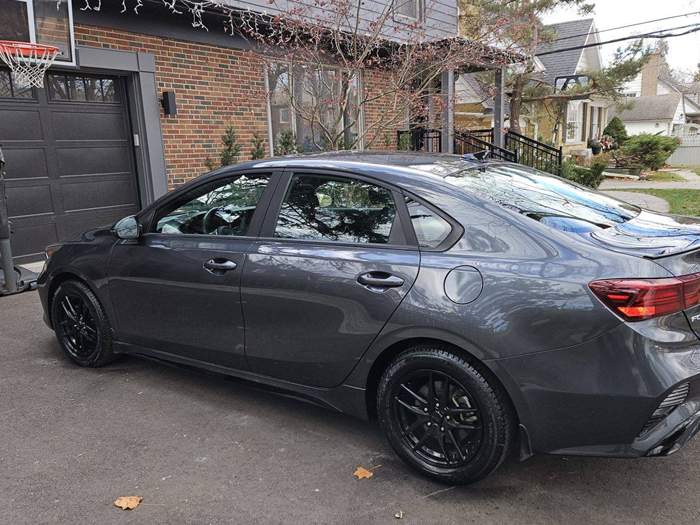
It isn't armor. A coating is far thinner than the paint. It won't stop a rock chip on the expressway, a door ding in a parking lot or a key scratch.
It isn't self-cleaning. A coated car gets dirty at the same rate as any other. The dirt just comes off more easily, and the car still needs regular washing.
It buys time, not immunity. Bird droppings and tree sap left to bake in the sun for days can still mark the paint. Wash them off the same day, sooner in summer heat, and they rarely leave a trace.
It doesn't stop water spots. If a coated car dries in the sun after rain or a sprinkler, minerals can still leave spots on top. They come off more easily than on bare paint, but they're worth drying off rather than leaving.
Ceramic coating cost is quoted, not set, and our pricing page explains why. It moves with a few things, and most of them come down to labor, not the bottle:
Coatings are rated in years, not months. We tell you the rating of the one we recommend before you book. Three things decide how much of that rating you actually get.
The product. Some coatings are rated for a few years, others for longer, and the longer-rated ones take more prep and care to apply.
The washing. A car hand washed with pH-neutral soap keeps its coating far longer than one that goes through brush washes all winter.
Where it lives. A car garaged at night sees less sun, sap and sprinkler water than one parked under a tree on the street. Once we've seen the car and picked the product, we give you a range, and we won't stretch it.
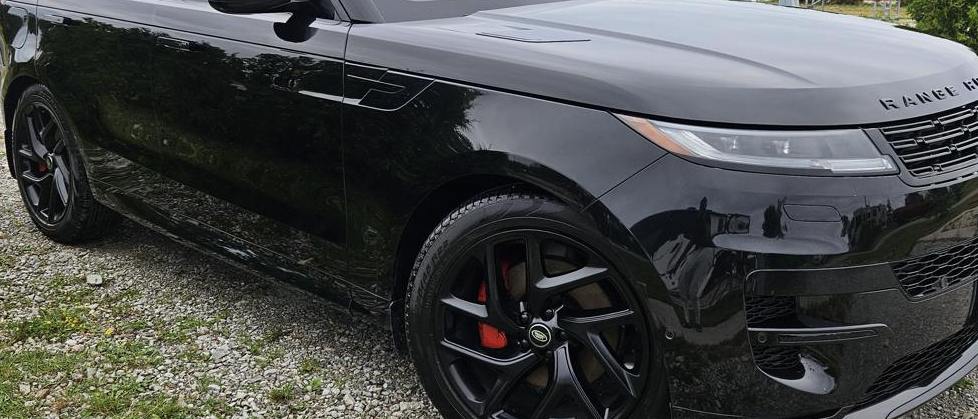
A coating bonds to whatever it touches. If old wax, polish oils or bonded grime are still on the paint, it bonds to those instead and lets go early.
So every coating starts the same way: a full wash, an iron remover that dissolves embedded brake-dust particles, a clay bar for anything still stuck to the surface, then a panel wipe that leaves the paint bare so the coating can grip.
Then there's the finish itself. A coating adds gloss, but it doesn't fix anything. That's why most cars get at least a light machine polish first, explained on our paint correction page.
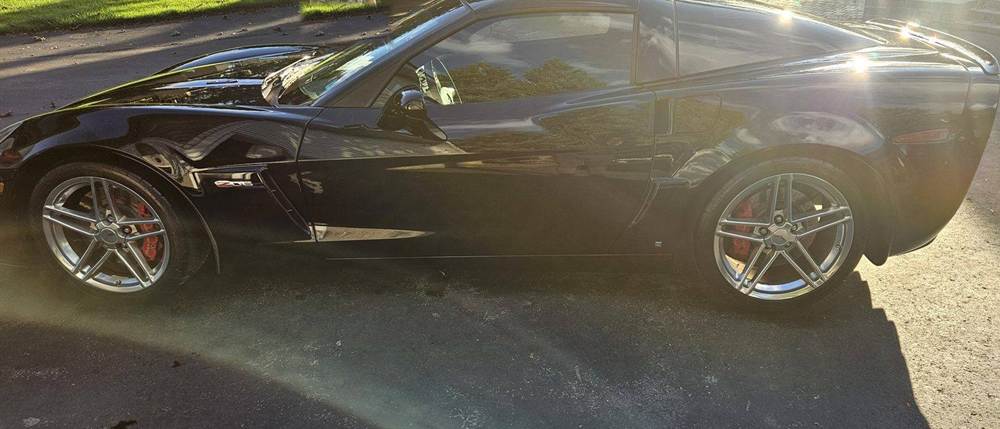
After the last panel is coated, the car has to stay dry overnight while the coating cures. Rain, dew or a sprinkler on a fresh coating can leave marks that set in.
Around here, a dry place for the night is usually one of two things. From Great Neck to Garden City it's often a private garage off the driveway. In Bayside or Whitestone it may be a garage behind the house, or a building garage once management has said yes to us working there.
If the car lives on a driveway, we plan the day around a dry forecast with you and coat out of direct sun. If the forecast turns, we choose a new day together.
Once it has cured, normal driving is fine. The first full wash waits a few days. We tell you how long for your coating before we leave.
Four products get called paint protection, and they don't do the same job:
Film and coating answer different worries. Film takes the hit from a stone so the paint doesn't. A coating makes the surface slick so washing is quicker and gentler.
Plenty of owners do both: film on the front bumper, hood and mirrors, where stones land, and a coating over the rest. Film can be coated too, so the whole car washes the same way.
Film isn't something we install. If you want it, have it put on first, and we coat the car after.
By February, the lower third of most cars here wears a gray film of salt and brine. It builds up on the rockers, the lower doors and the wheels, and it gets thicker with every storm.
A coating doesn't stop that film landing. It changes how the film comes off: much of it rinses away with plain water and a gentle wash, instead of needing a scrub that drags salt across the paint.
Waiting for spring lets the salt sit in the seams and on the brake parts all season, coating or not.
Whether a coating is worth it comes down to how long you'll keep the car and how it gets washed. It suits you if:
The wash itself is the same careful hand wash we describe on our exterior detailing page, with a pH-neutral soap.
What a coating adds is a short list of things to avoid. Degreasers and touchless washes that rely on high-pH soaps both wear it down faster. Brush and soft-cloth car washes wear the coating and put fresh swirls under your clean gloss.
Dry it with a clean microfiber towel or a blower, not in the sun.
Get a quote
FAQ
Something else? Text us or call (516) 555-0142.
Mostly the prep and a change in habits. It isn't a quick job, because the paint has to be decontaminated and usually polished first. After it's on, brush washes and harsh soaps are out. If that doesn't suit how you use the car, a spray sealant may fit better.
Not straight on top. A worn coating leaves a patchy surface that a new layer won't bond to evenly. We check what's left, and the old coating usually comes off in the polishing step, so the new one goes onto clean paint.
Often a light polish, yes. New paint can pick up swirls in transport and at the dealer before you ever see it. Some cars only need the wash, clay and panel wipe. We look under a strong light and tell you which.
The glass, yes: a longer-lasting glass sealant is a $95 add-on. Ask about the wheels when you send photos, and we'll tell you if a coating is worth it for your rims.